What Sets Apart St Cloud Top Rated Environmental Consulting for Risk Management
Unlocking Sustainability: Why Environmental Consulting Proves Critical for Every Business
In the modern corporate world, sustainability is no longer optional; it has become essential. Environmental consulting delivers critical support for organizations working to manage this complex terrain. Consultants evaluate environmental impacts, maintain compliance, and useful tips help establish effective sustainability strategies. As legal requirements and market demands grow, understanding the role of these consultants becomes increasingly important. What specific benefits can businesses derive from these partnerships, and how can they effectively execute sustainable practices?
Comprehending the Function of Environmental Consultants
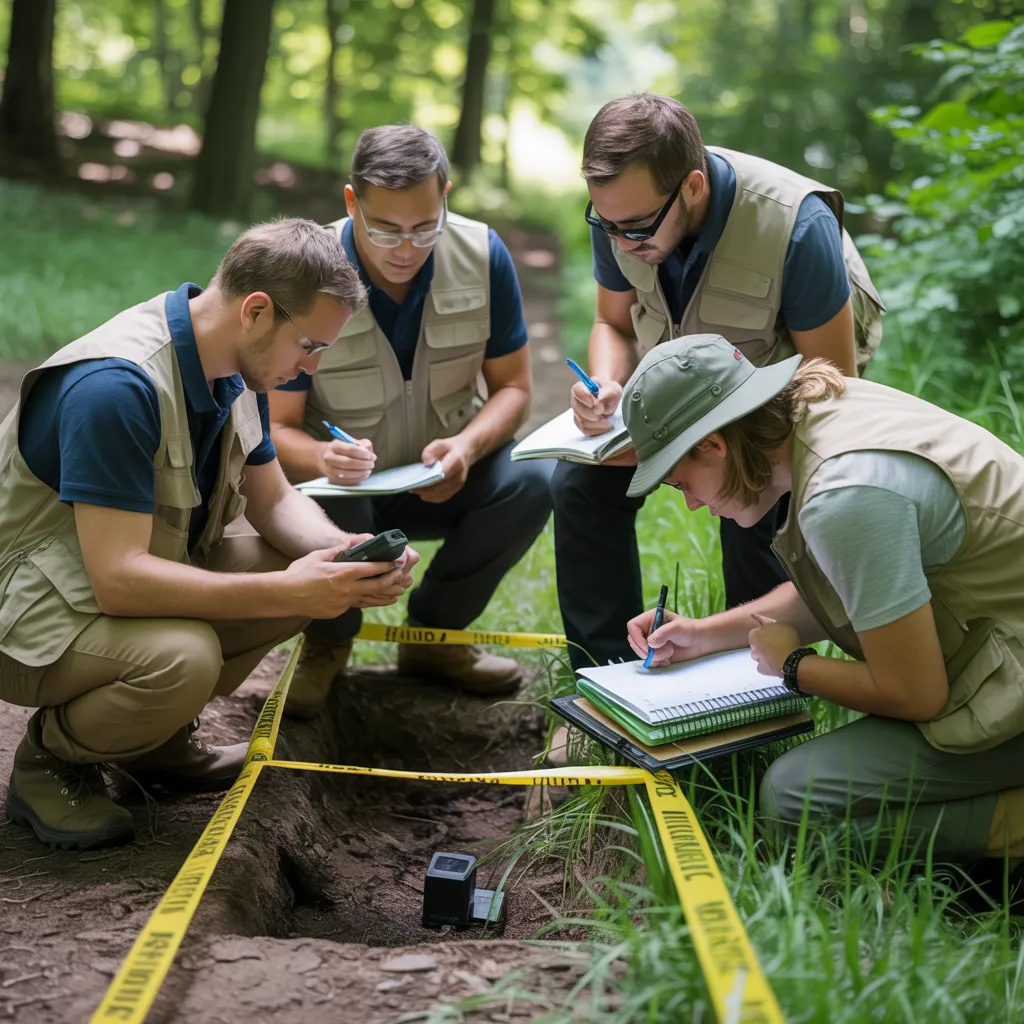
Whereas businesses progressively face regulations regarding the environment and sustainability issues, the role of environmental consultants has become vital. These professionals specialize in evaluating environmental impacts, ensuring compliance with laws, and guiding organizations in the direction of sustainable practices. They conduct audits, review data, and develop strategies that mitigate risks associated with environmental issues. By identifying potential liabilities, environmental consultants help businesses prevent costly penalties and enhance their reputation.
Additionally, they assist in the design and implementation of environmental management systems, supplying training and resources to staff. Their proficiency spans across various sectors, including manufacturing, construction, and agriculture, where they adapt solutions to fulfill specific industry needs. By keeping current with regulatory changes and emerging sustainability trends, environmental consultants provide businesses with the knowledge needed for long-term compliance and operational efficiency. Finally, their role not only preserves the environment but also cultivates a culture of sustainability within organizations.
Positive Aspects of Eco-Friendly Approaches for Businesses
Sustainable practices offer numerous advantages for businesses, as they not only improve operational efficiency but also enhance brand reputation. By embracing green practices, companies can decrease energy consumption and minimize waste, resulting in significant cost savings. These practices frequently draw in eco-conscious consumers, fostering customer loyalty and expanding market reach.
Additionally, conformity with environmental regulations becomes more manageable, decreasing the risk of legal penalties. Companies that emphasize sustainability are frequently seen as industry leaders, placing themselves competitively against competitors. Enhanced employee morale and productivity can also result from a commitment to sustainability, as workers more and more seek to align with socially responsible organizations.
Moreover, sustainable practices can pave the way for innovation, driving the development of novel offerings that fulfill emerging consumer expectations. In the end, a robust commitment to sustainability not only supports environmental conservation but also serves as a competitive edge in today's highly competitive marketplace.
Assessing Your Present Environmental Impact
How can a company precisely measure its environmental impact? To comprehensively gauge their current environmental impact, businesses should conduct a thorough evaluation of their operations. This includes examining energy consumption, waste generation, water usage, and emissions produced across all processes. Using tools such as life cycle assessments (LCAs) can offer understanding into the environmental effects of products from origin to disposal.
Additionally, businesses should participate in data collection and monitoring practices to quantify their resource utilization and waste outputs. Partnering with environmental consultants can strengthen this assessment, as they bring expertise in identifying areas for improvement. Additionally, conducting employee surveys can disclose insights into operational practices that may contribute to environmental degradation. By methodically evaluating these aspects, businesses can establish a clear baseline of their environmental impact, enabling informed decision-making in sustainability efforts.
Building a Complete Environmental Strategy
A thorough sustainability strategy is vital for businesses working to minimize their environmental impact and boost long-term viability. This strategy should start with a clear understanding of the organization's environmental footprint, determining key areas for improvement. Incorporating stakeholders, including employees and customers, fosters a culture of sustainability and promotes innovative solutions.
Next, defining measurable goals is important; these goals can include minimizing waste, energy consumption, and carbon emissions. Companies should incorporate sustainable practices into their operations, supply chains, and product development, fostering a circular economy approach.
Routine monitoring and reporting on advancement help sustain accountability and transparency, while adapting strategies based on performance data guarantees continuous improvement.
Ultimately, a comprehensive sustainability strategy not only advances environmental stewardship but can also boost brand reputation, attract eco-conscious consumers, and lead to cost savings, making it a vital component for modern businesses seeking to thrive in a evolving world.
Environmental Regulations Compliance
Several organizations confront the obstacle of managing complex environmental regulations that fluctuate according to region and sector. Following these regulations is critical for evading legal penalties, financial losses, and reputational damage. Environmental consultants fulfill an essential part in aiding organizations comprehend and comply with local, national, and international laws governing environmental protection. They deliver expertise in fields such as waste management, emissions controls, and resource utilization, making certain that businesses adopt best practices.
Boosting Brand Image Through the Use of Sustainability
As shoppers continually stress sustainability concerns, businesses that adopt sustainable practices can markedly enhance their brand reputation. Organizations that exhibit a commitment to sustainability not only draw in environmentally conscious customers but also cultivate loyalty among existing clients. This commitment can manifest in various ways, such as minimizing carbon footprints, employing renewable resources, or engaging in community-focused environmental initiatives.
When companies openly share their sustainability initiatives, they develop trust and credibility with stakeholders. Strong public reputation can result in increased market share and competitive advantage, as consumers are more prone to support brands that correspond to their values. Additionally, sustainable practices often result in cost savings through improved efficiency, further strengthening the brand's financial position.
Ultimately, making a priority of sustainability can transform a business's identity, building a positive narrative that resonates with consumers and improves complete brand equity.
Upcoming Developments in Environmental Consulting and Sustainability
As organizations continue to emphasize sustainable practices, the integration of cutting-edge technological solutions into environmental consulting practices has become crucial. Alongside this technological evolution, regulatory changes are altering the field, demanding that consultants to modify their approaches to remain compliant. These trends mark a transformative period for the environmental consulting sector, emphasizing the need for creative approaches and proactive measures.
Incorporating Technology into Consulting
Given the swift progression of technological innovation, environmental consulting is poised to undergo significant transformations that will enhance sustainability practices across various industries. The integration of data analytics, artificial intelligence, and remote sensing technologies permits consultants to offer precise assessments and innovative solutions. These tools enable real-time monitoring of environmental impacts, enabling proactive measures rather than reactive responses. Additionally, cloud-based platforms streamline collaboration among stakeholders, improving transparency and accountability in sustainability initiatives. The rise of smart technologies, such as IoT devices, allows businesses to track resource consumption and emissions more effectively. As technology continues to evolve, environmental consultants will increasingly leverage these innovations to promote efficiency, reduce costs, and support businesses in attaining their sustainability goals.
Regulatory Updates Impacting Operations
Regulatory shifts regularly redefine the landscape of environmental consulting, prompting businesses to adapt their practices to comply with new standards. As governments across the globe implement more rigorous environmental regulations, organizations must reevaluate their strategies to meet compliance requirements. This is particularly clear in sectors such as manufacturing, energy, and waste management, where non-compliance can lead to significant fines and reputational damage. Environmental consultants play an vital role in helping businesses navigate these complexities, ensuring that they are not only compliant but also poised for sustainable growth. Moreover, the trend toward heightened transparency and accountability in environmental practices is likely to continue, forcing businesses to adopt proactive measures in their sustainability efforts. Consequently, adapting to regulatory changes will remain a critical focus for organizations aiming for long-term viability.
Common Questions
How Much Do Environmental Consultants Usually Charge?
Engaging an environmental consultant typically costs between $100 to $300 per hour, based on factors such as professional qualifications, project complexity, and location. Some consultants may also provide fixed rates for particular projects or projects.
Are Environmental Consulting Services Beneficial For Small Businesses?
Yes, small businesses can benefit from environmental consulting services. These offerings help pinpoint cost-saving opportunities, improve sustainability practices, and ensure regulatory compliance, ultimately leading to a stronger reputation and improved competitiveness in the market.
Which Industries Most Typically Need Environmental Consulting?
Fields like manufacturing, construction, energy, and agriculture typically require environmental consulting. These sectors regularly face regulatory compliance challenges, environmental impact assessments, and sustainability initiatives, necessitating expert guidance to navigate complicated environmental issues successfully.
How Can I Choose the Right Environmental Consultant for My Business?
To pick the right environmental consultant, it's important to examine their expertise, industry experience, and client feedback. Additionally, reviewing their approach to sustainability and regulatory awareness can confirm alignment with your company's specific environmental goals and needs.
What Certifications Should I Look for in an Environmental Consultant?
When selecting an environmental consultant, one should prioritize certifications such as ISO 14001, LEED accreditation, and Certified Environmental Professional (CEP). These credentials reflect expertise in environmental management, sustainability practices, and regulatory compliance, providing reliable guidance.